TheNavalArch’s Interview Series is an endeavor to get insights from the best engineering and business brains in the industry and present them to its users for the larger benefit of the maritime community. Leaders share their experiences and ideas that readers can gain from.
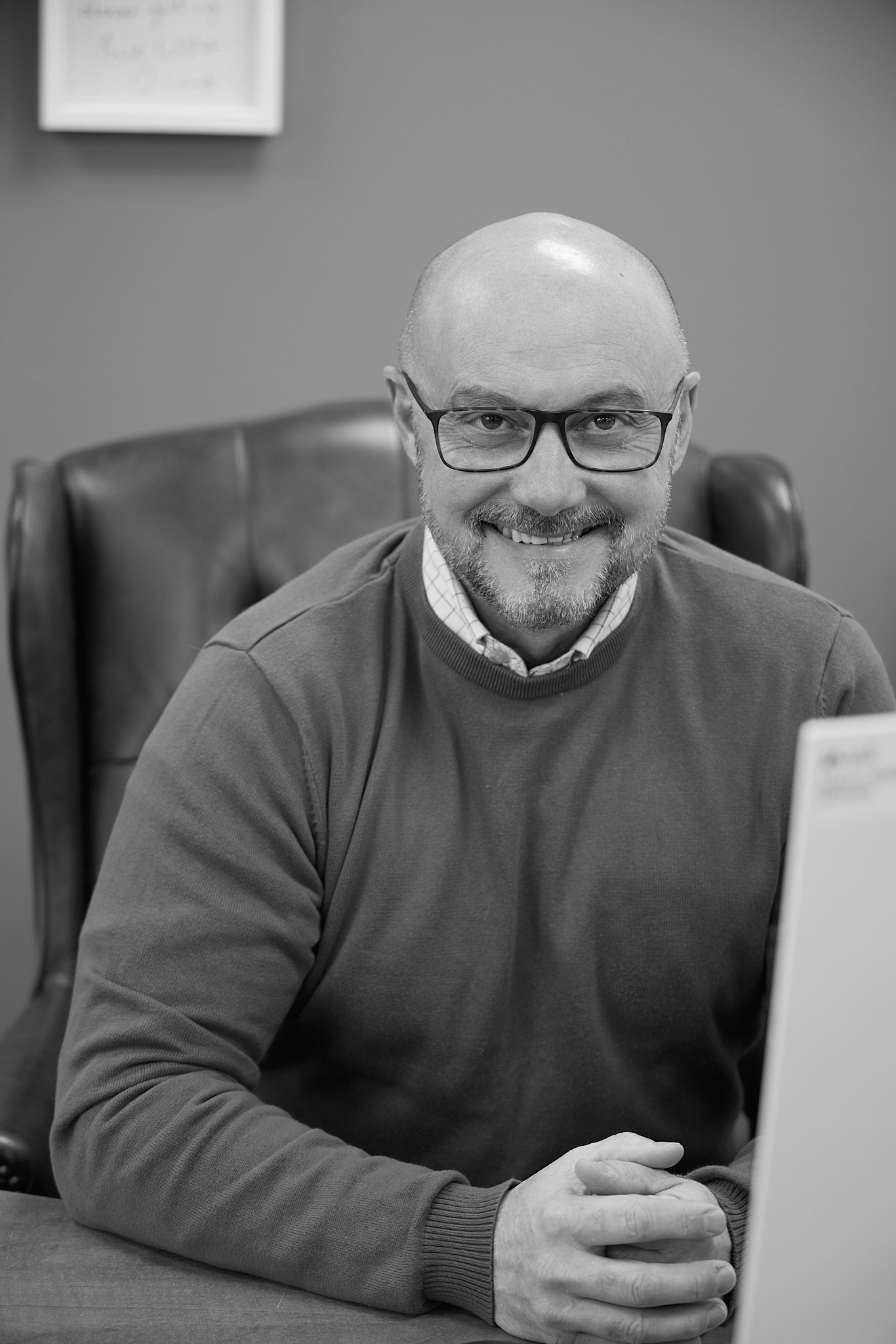
Managing Director of Sensor Technologies Ltd and CEO of Advantec Group Limited
Interview
Introduction
In this edition of TheNavalArch Interview Series, we feature Mr. Peter Farthing, Managing Director of Sensor Technologies Ltd and CEO of Advantec Group Limited. Peter’s background is in marine engineering, with early work focused on acoustic imaging, electronics, software development, and the use of data to support better decision-making in harsh marine environments.
Driven by a passion for maritime safety, Peter began developing the Sureline rope tension sensor in 2018 with the aim of creating a robust in-rope monitoring system capable of improving mooring and towage safety through real-time data. Since then, the technology has progressed through patent approval, extensive testing, and sea trials, and is now widely recognised as a breakthrough innovation in rope load monitoring. In this interview, Peter shares his journey, his thoughts on mooring safety, and his vision for the future of technology-driven risk reduction in the maritime industry.
1. Could you share your career journey and what experiences shaped your interest in maritime safety and innovation?
I spent my early career in marine engineering in the Oil & Gas sector, solving problems above and below the sea for several large organisations. Like all engineers we love to fix things and the tougher the challenge the better. I was fascinated initially by acoustic imaging and how electronic and software development was changing the way we could collect and use data to make more informed decisions in the harsh marine environment. This interest led me to focus on sensors to measure difficult things.
2. What personal lessons have you learned along the way that younger professionals entering this field should keep in mind?
I think a number of lessons really!
Firstly we can always improve on how we design, develop and test innovative solutions. I try each day to encourage my team and self to ask the simple ethos about ‘Continuous Improvement’. That could be about engineering design or how we go about quality control testing of sensors through to visualising our sensor data to help users.
Secondly…its all about team! We need to find specialists who can help us continue to grow our business whether that be software development or sensor engineering. I would encourage all young professionals to reach out and seek those internships and opportunities, rather than wait to see a job posting. There is always opportunities, so just ask!
3. Mooring remains one of the most hazardous shipboard operations. In your view, what are the root causes behind the industry’s persistent safety challenges?
A number of factors are challenging us. The increasing tonnage and number of our marine large vessels is making the whole industry adapt to coping with this change. The increase frequency and severity of weather events is at play too, plus the streamlining of ship crew in order to drive operational efficiency.
“The increasing tonnage and number of our marine large vessels is making the whole industry adapt to coping with this change”
4. How do you see industry standards such as MEG4 influencing the way mooring operations are carried out today?
MEG4 is absolutely critical for the marine world to improve safety and compliance, and it will take a number of years to take full effect. In the meantime we need to keep measuring and reporting, being accountable to report events and take positive steps to improve safety of lives and vessels in the marine world.
5. What role do you believe technology and data can play in changing safety culture on board and ashore?
Technology and the quantum increase of data and insights that come from technological advances is in all our lives at home and at work. We need to take the opportunity to embrace such advances and seek ways to best visualise the new insight in real-time that technology and data provides. We must remember that human centric focus is critical as technology and data is increasing at our fingertips: being confident to use regularly and rely on new information for us to do a better, safer job and share our experiences and benefits.
“We must remember that human centric focus is critical”
6. From an engineering standpoint, what are the biggest challenges in making mooring operations safer, and how is the industry addressing them?
I guess ‘trust’ in new technology is always going to be the biggest challenge. Whilst regulations like MEG4 indeed provide a new and revised framework for improved operational safety of mooring and towage, new technology adoption across the industry takes time. We are super grateful for those ‘early adopter’ companies who have enabled us to complete sea-trials and see the real benefits of technology and data. Enabling those early adopters to share their experiences with others will build ‘trust’ and wider usage around the world.
7. Where do you see the most potential for integrating digital tools with traditional mooring practices — whether in ports, vessels, or training?
We see the biggest opportunity is in mooring and towage and providing detailed real-time insights to help people make more informed decisions. Reporting of the data to build up a deeper view and set of information will increasingly be important to inform regulators, insurers and investigators of operational safety.
“ ‘Trust’ in new technology is always going to be the biggest challenge”
8. How do you see the future of mooring safety evolving in the next decade?
I feel that the marine industry is at a tipping point in terms of embracing technology innovations, and see the role of the early adopters as crucial to fast-track wider adoption over time. Sense too that technology will continually improve in the measurement and visualisation of data for mooring and towage safety, so exciting times ahead.
9. What role should collaboration between shipowners, ports, regulators, and technology providers play in driving safer practices?
It is a partnership where a commitment to collaborate and working together are fundamental to move us forward to a brave new world where technology and data is fully ‘trusted’ and relied upon at scale. See associations such as the annual British Tug Owners Association Safety Seminar and other such forums are pivotal to allow the diverse group of stakeholders, influencers and regulators to meet and discuss next steps and actions to safer maritime operations.
“Associations such as the annual British Tug Owners Association Safety Seminar and other such forums are pivotal ”
10. Looking back on your journey so far, what one piece of advice would you give to maritime professionals who want to drive change in a traditional industry?
Persistence is something I have learnt as a vital factor to keep hold of, even when things are not going to plan. It always takes longer than we think to achieve key milestones, and some days where things with technology or partnership fail to work, we have to keep forward momentum, even if it is smaller steps. I keep a diary too to remind me on the progress , so several months down the line, taking a few moments to reflect on what has been achieved is one way to not lose sight of even those smaller incremental steps we often forget about!
✅ Edited and formatted by TheNavalArch for readability and SEO.
Please register or login to read the full article