
Powering the shipping industry with hydrogen –
Part 2: Hydrogen propulsion on a ship – opportunities and challenges
Introduction
In the Part 1 of this article, we explored the basic properties of Hydrogen as a fuel, and also the opportunities and challenges that come with it. In this article, we’ll dive deeper into how hydrogen as a fuel can specifically be implemented to power ships.
This article draws heavily from the done by Sandia National Labs, which is a recommended reading (see Ref 16)
Hydrogen-powered ship
Put simply, hydrogen is used as the primary fuel to drive the ship. In what form is the fuel used?
There are two primary ways of using hydrogen to generate power:
- Method A – to use it directly in the internal combustion engine (i.e., in the engine of the ship) in place of the traditional fuel (MDO)
- Method B – to use the hydrogen to run fuel-cells onboard which will in turn generate electricity to drive the vessel
Method A – Using hydrogen in the Internal Combustion Engine
In the Method A, in place of a conventional fuel, we use hydrogen as the combustor in an internal combustion engine. Basically, hydrogen is injected into the cylinders of the engine and burnt to generate mechanical power delivered to the shaft. In this method, either compressed or liquid hydrogen can be used. However, hydrogen fueled internal combustion engines are bigger in size as they require multiple other modifications like higher voltage ignition coil, stronger connecting rods, larger crankshaft damper etc. This also makes them costlier to manufacture compared to a gasoline powered internal combustion engine. Another method is to adapt existing gasoline engines to run on hydrogen too. This makes them ‘hybrid’ or ‘dual fuel’ and gives them an advantage of running on the current gasoline infrastructure too till the time hydrogen’s infrastructure (for fueling) becomes well established.
However, one drawback of these engines is that to produce efficiency comparable to gasoline engines (at high fuel-air ratio), the combustion temperature is very high and they produce high quantities of NOx (pollutant), which defeats the idea of using hydrogen as a green fuel in the first place.
Method B – Using hydrogen fuel cells
In a hydrogen fuel cell, hydrogen is converted to electricity which can in turn be used to power a vehicle. This is done using a simple chemical process in which hydrogen and oxygen are inputs. The hydrogen entering the system are passed through an anode and ionized by the catalyst, and then travel through the electrolyte to cathode. Oxygen (air) enters through the cathode. The electrons created from stripping of hydrogen generate electricity, and finally the hydrogen ion, electrons and oxygen combine to form water as a by-product. The picture below demonstrated this process:

Depiction of working of a fuel cell (Source: Wikipedia)
Hydrogen fuel cells have higher efficiency than internal combustion engines, and are simpler to operate. Plus, they don’t lead to any harmful emissions. However, they are costly at this stage, and also need effective cooling to prevent them from damaging themselves.
Hydrogen Fuel Cell powered ship
How will a hydrogen fuel cell powered vessel be different from a regular vessel? What special arrangements will have to be made?
A ship powered by hydrogen fuel-cell will need three important functionalities:
- Storage of Hydrogen
- Conversion of hydrogen to usable energy – this is done within the fuel cell
- Refueling of hydrogen
How does a hydrogen-fuel-cell module look? There are two parts of the fuel cell – one part where the fuel, air and water mixture are looped, and the other where the electrochemical reaction takes place.
Storage of Hydrogen
Hydrogen will need to be stored in liquified form (LH2) in special storage tanks. The size of the tanks will be determined by the fuel requirements of the vessel. It is to be kept in mind that the volumetric density of LH2 is much less compared to traditional marine diesel. For the same energy production, LH2 needs 4x more space compared to marine diesel. Thus, the fuel space required for LH2 is much higher comparatively. This is an area of concern, as this has the potential of compromising the cargo space. One possible solution to this is to locate the fuel tanks over deck in ships in which deck space is not commercially critical.
Another aspect of storing hydrogen fuel is that it must be located in a non-hazardous zone, i.e., it should be located in a zone that doesn’t have a fire hazard (as hydrogen is highly flammable). This means that the tanks can’t be located closer to the side shell than 20% of the vessel width. This also imposes additional ventilation requirements on the vessel.
Fuel Cell Array
Next major modification for a hydrogen-fueled vessel will be the addition of fuel cells that convert hydrogen into usable electricity. The fuel cell enclosure can be located close to the engine room, and needs to be sealed from the atmosphere. Further, the piping between the fuel tanks and fuel cell needs to be double walled, and the enclosure may be designated as a hazardous area requiring air-locks. Overhead ventilation trunks will need to be installed to take away any unintentionally leaked hydrogen. The ‘fuel cell room’ will need very good ventilation too.
Fuel Bunkering Station
The vessel will also need a bunkering station for refueling hydrogen. This may also be designated as a hazardous area requiring air-locks. The fuel bunkering procedure
Safety issues and Governing Class Rules
Given hydrogen is highly inflammable, there are significant issues with respect to electrical safety that will additionally have to be addressed for a hydrogen-propelled vessel. Any area that has or can potentially have hydrogen in the vicinity will need to comply with additional safety requirements.
The IGF code is the governing code for use of natural gas fuel. The same is expected to apply to hydrogen as well. This will involve hazardous area classification and additional requirements for gas storage and supply, Emergency Shut Down (ESD), ventilation requirements, and additional fire safety requirements (structural fire protection of storage tanks/fuel cell room, additional fire/gas detection and extinguishing capabilities)
The other regulation that is useful for understanding the class requirements is DNV GL regulations for Gas Fueled Ship Installations.
The IEC62282-3 is the governing regulation for fuel cell technologies.
The regulatory regime for hydrogen is evolving, and as the fuel gains more traction, the regulations will become more specific and firmed-up in future. The key item that will require much more detailed examination at the hands of Class/Statutory authorities will be the gas systems and associated safety risks of a hydrogen-powered vessel.
Summary
To summarize, hydrogen carries immense potential to become the fuel of the future and power the shipping industry to a cleaner version of itself. However, the challenges of its low volumetric density (which threatens cargo space), higher costs, and nascent refueling infrastructure & regulatory regime will need to be overcome along the way.
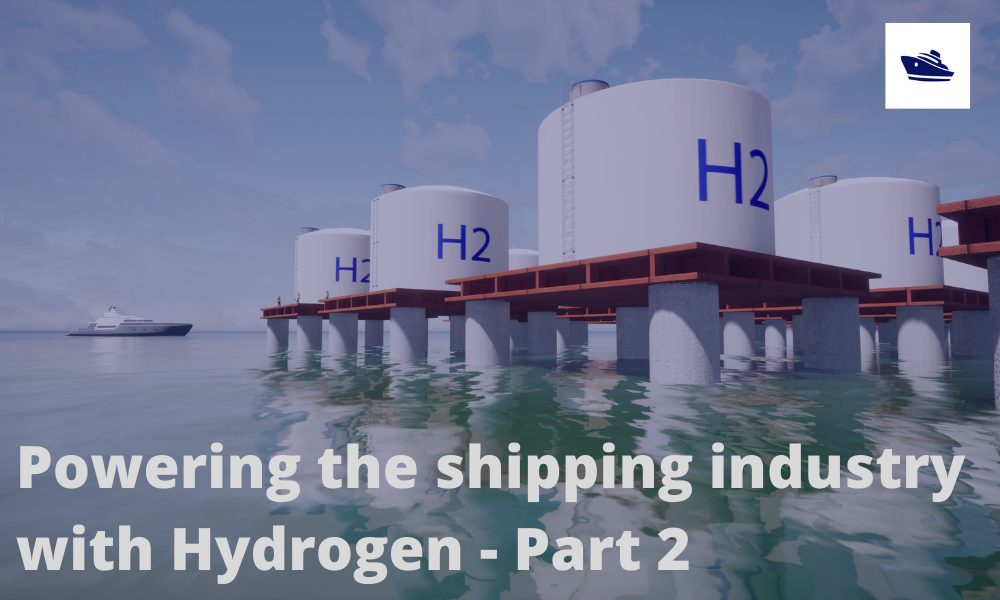
A 3d view of a hydrogen powered vessel with deck mounted storage tanks
(Source: Green Car Congress, Ref [17])
References
- https://en.wikipedia.org/wiki/Hydrogen-powered_ship#:~:text=A%20hydrogen%20ship%20is%20a,in%20an%20internal%20combustion%20engine.
- https://en.wikipedia.org/wiki/Hydrogen_fuel
- https://www.researchgate.net/publication/275658599_The_hydrogen-fuelled_internal_combustion_engines_for_marine_applications_with_a_case_study
- https://en.wikipedia.org/wiki/Hydrogen_internal_combustion_engine_vehicle#:~:text=A%20hydrogen%20internal%20combustion%20engine,using%20an%20internal%20combustion%20engine.&text=Instead%2C%20the%20hydrogen%20internal%20combustion,gasoline%2Dpowered%20internal%20combustion%20engine.
- https://en.wikipedia.org/wiki/Hydrogen_internal_combustion_engine_vehicle#cite_note-21
- https://pureenergycentre.com/hydrogen-engine/
- https://www.greencarreports.com/news/1122364_is-hydrogen-internal-combustion-a-better-idea-than-fuel-cells-engineering-explained
- https://www.motorauthority.com/news/1121008_why-hydrogen-powered-combustion-engines-aren-t-a-good-idea
- https://www.youtube.com/watch?v=loyv5hpoFjc
- https://www.youtube.com/watch?v=fdZr-Kjxpn8
- https://www.maritime-executive.com/article/hydrogen-fuel-cells-for-ocean-going-ships-and-inland-waterways
- https://www.hellenicshippingnews.com/key-technologies-and-solutions-for-hydrogen-fuel-cell-powered-ships/
- https://afdc.energy.gov/vehicles/fuel_cell.html
- https://www.greencarcongress.com/2018/07/20180703-sandia.html
- https://new.abb.com/news/detail/60295/abb-scales-up-fuel-cells-for-shippings-greener-future
- https://energy.sandia.gov/programs/sustainable-transportation/hydrogen/fuel-cells/maritime-applications/
- https://en.wikipedia.org/wiki/Fuel_cell
Disclaimer: This post is not meant to be authoritative writing on the topic presented. thenavalarch bears no responsibility for the accuracy of this article, or for any incidents/losses arising due to the use of the information in this article in any operation. It is recommended to seek professional advice before executing any activity which draws on information mentioned in this post. All the figures, drawings, and pictures are property of thenavalarch except where indicated, and may not be copied or distributed without permission.
Webcast: Rapid Rigging
Learn a rapid and practical method for generating accurate rigging arrangements and estimating rigging loads in one hour or less using simple engineering principles and streamlined workflows. TECHNICAL WEBCAST OVERVIEWLifting operations can be executed far more...

TheNavalArch’s Interview Series: Peter Farthing (MD, Sensor Technologies)
Peter FarthingManaging Director of Sensor Technologies Ltd and CEO of Advantec Group Limited Interview Introduction TheNavalArch's Interview Series is an endeavor to get insights from the best engineering and business brains in the industry and present them to its...
TheNavalArch Interview Series: Capt Robin Perera
TheNavalArch's Interview Series is an endeavor to get insights from the best engineering and business brains in the industry and present them to its users for the larger benefit of the maritime community. Leaders share their experiences and ideas that readers can gain...
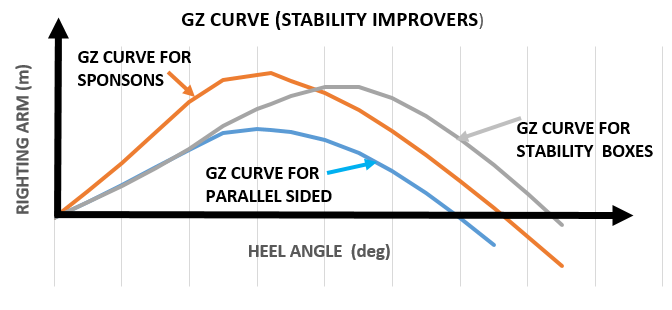
Offshore Installation Vessels Stability Considerations
OFFSHORE INSTALLATION VESSELS STABILITY CONSIDERATIONS By Alan Crowle, BSc, MSc, MScbyRes, CEng, CMarEng, FRINA, FMAREST, FSCMS University of Exeter, College of Engineering, Renewable Energy Group INTRODUCTION The temporary phases of an offshore structure transport...
TheNavalArch Interview Series: Mr Victor Valera
TheNavalArch's Interview Series is an endeavor to get insights from the best engineering and business brains in the industry and present them to its users for the larger benefit of the maritime community. Leaders share their experiences and ideas that readers can gain...
TheNavalArch Interview Series: Mr Steven Lu
Mr. Steven LuManaging DirectorEpoch Offshore Engineering (Shanghai) Co., Ltd. TheNavalArch's Interview Series is an endeavor to get insights from the best engineering and business brains in the industry, and present them to its users for the larger benefit of the...
TRANSPORT VESSELS FOR FLOATING WIND
By Alan Crowle, BSc, MSc, CEng, CMarEng, FRINA, FMAREST, FSCMS Masters by Researcher, University of Exeter, College of Engineering, Mathematics and Physical Sciences, Renewable Energy Group SUMMARY Floating wind turbine construction is a large logistical exercise. The...
TheNavalArch Interview Series: Mr. Balakrishna Menon
Mr. Balakrishna MenonEngineering Director Mooreast (Asia) Pte Ltd TheNavalArch's Interview Series is an endeavor to get insights from the best engineering and business brains in the industry, and present them to its users for the larger...
Floating Rice Fields, the quest for solutions to combat drought floods and rising sea levels
by Lim Soon Heng, BE, PE, FSSS, FIMarEST Founder President, Society of FLOATING SOLUTIONS (Singapore) Abstract Amazing as it seems, there is a case for growing rice on floating platforms in the sea. The capital expenditure to develop this is offset by the opportunity...

CAPSIZE OF LIFTBOAT IN TRANSIT
This paper was originally presented in the 27th Offshore Symposium, February 22nd, 2022, Houston, Texas Texas Section of the Society of Naval Architects and Marine Engineers It has been reproduced here for the readers of TheNavalarch INTRODUCTION In 1989 a Class 105...

I’m attempting to complete a research project discussing the maritime industry’s transition from fossil fuels to clean energy sources, and how to accomplish this at a reasonable cost that would benefit the economy, the industry, and the planet all at once.
Bien